



As people increasingly seek ways to enhance their fitness routines, outdoor fitness has emerged as a refreshing and invigorating alternative to traditional gym workouts. Exercising in natural environments offers numerous benefits that can significantly improve both physical health and mental well-being. This article explores the various advantages of outdoor fitness, emphasizing how it can lead to a more fulfilling and enjoyable exercise experience.
One of the most compelling reasons to embrace outdoor fitness is the inherent connection to nature. Studies have shown that spending time outdoors can elevate mood, reduce stress, and enhance overall mental health. The sights and sounds of nature provide a unique backdrop that can invigorate workouts, making them more enjoyable and motivating. Whether it’s the rustle of leaves, the chirping of birds, or the gentle breeze, these natural elements can create a calming environment that encourages individuals to engage in physical activity.
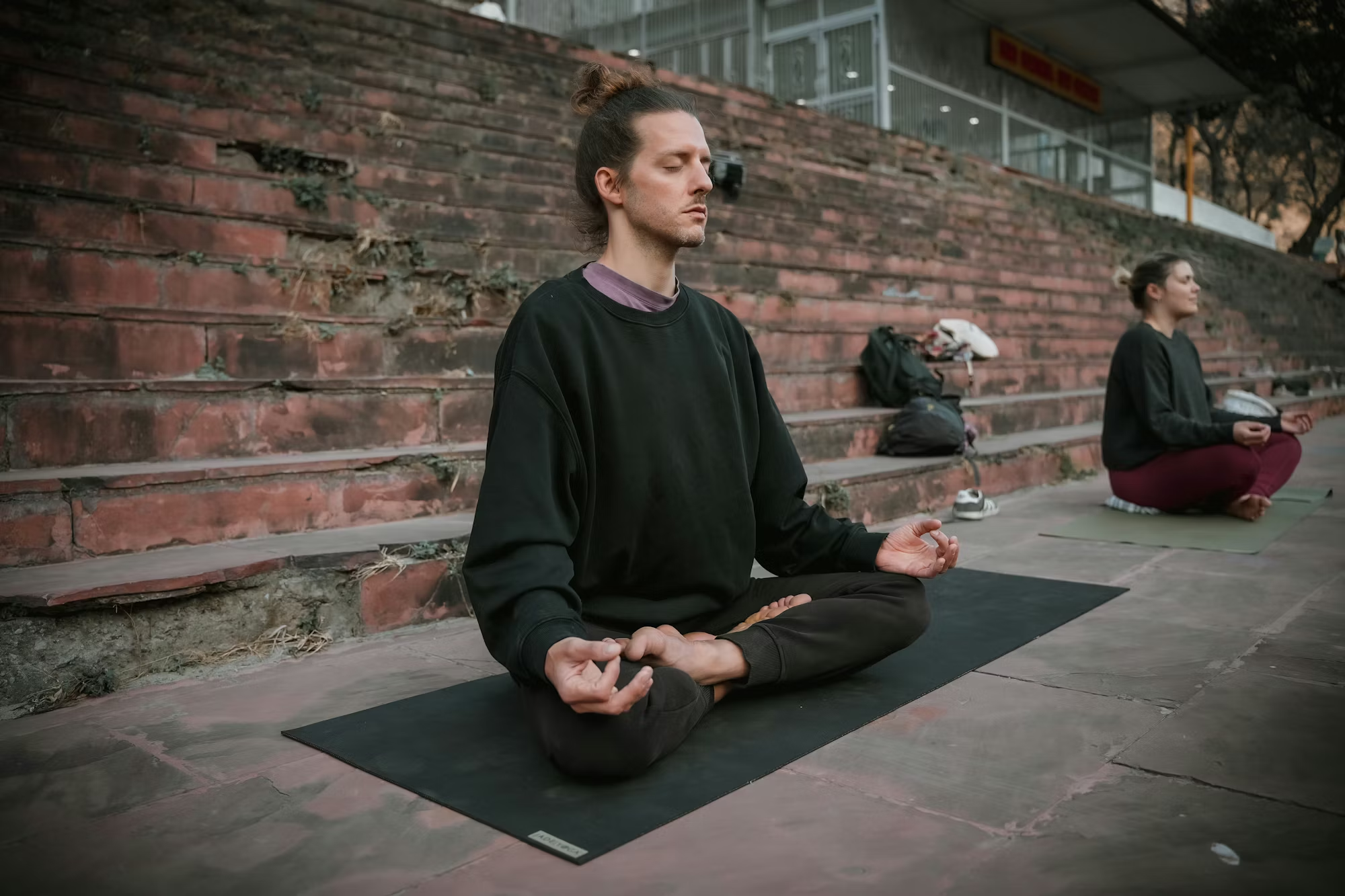
Outdoor workouts also provide the opportunity for variety and exploration. Instead of being confined to the same gym setting, individuals can choose from a range of locations, including parks, beaches, trails, and mountains. This variety allows for different types of workouts, from jogging along scenic paths to practicing yoga on a tranquil beach. Exploring new environments not only keeps workouts exciting but also helps individuals discover new interests and activities they may not have considered before.
Incorporating outdoor fitness into your routine can also enhance the effectiveness of workouts. Natural terrains often present unique challenges that improve physical performance. For example, running on uneven surfaces engages stabilizing muscles that may not be activated on a treadmill. Similarly, hiking on a mountain trail provides an excellent cardiovascular workout while simultaneously strengthening leg muscles and enhancing endurance. These elements contribute to a more well-rounded fitness regimen that targets various muscle groups and improves overall athleticism.
Another notable advantage of outdoor fitness is the social aspect it can foster. Group activities, such as outdoor boot camps, cycling clubs, or running groups, create opportunities for social interaction and community building. Exercising with others not only makes workouts more enjoyable but also increases accountability, encouraging individuals to stick to their fitness goals. The camaraderie developed in these settings can lead to lasting friendships and support networks that motivate participants to remain active and engaged in their health journeys.
Moreover, outdoor fitness is often more cost-effective than traditional gym memberships. Many parks and recreational areas provide free or low-cost access to facilities and trails, making it accessible to individuals from various backgrounds. This affordability removes barriers to entry, allowing more people to engage in physical activity and improve their health without the financial strain of expensive gym fees. Additionally, outdoor workouts often require minimal equipment, further reducing costs and making it easy to get started.
In terms of mental well-being, outdoor fitness has been linked to improved cognitive function and enhanced creativity. Engaging in physical activity in a natural setting can stimulate the brain, leading to increased focus and productivity. Many individuals report feeling more energized and motivated after spending time outdoors, which can positively impact various aspects of life, including work and personal relationships. This mental clarity and improved mood can make outdoor fitness an essential component of a balanced lifestyle.
Incorporating outdoor fitness activities into your routine can be as simple as making small changes to your existing workouts. For instance, consider swapping a gym session for a run or bike ride in a local park. Join a community fitness group that meets outdoors or explore group classes that take place in natural settings. Even simple activities, such as walking or jogging in your neighborhood, can yield significant benefits for both physical and mental health.
To maximize the benefits of outdoor fitness, it’s essential to prepare adequately. Dress in appropriate clothing for the weather and terrain, and ensure you have the necessary equipment for your chosen activity. Staying hydrated is crucial, especially during hot weather, so carry water or plan routes with water stations. Additionally, be mindful of safety—choose well-lit paths, stay aware of your surroundings, and consider bringing a friend along for added security.
As you begin to incorporate more outdoor activities into your fitness regimen, consider setting specific goals to enhance your motivation. Whether it’s completing a certain number of hikes, participating in a community run, or simply spending more time outdoors each week, having clear objectives can help guide your progress. Celebrate milestones along the way, as these achievements can boost your confidence and commitment to outdoor fitness.
In conclusion, outdoor fitness offers a wealth of benefits that can enhance both physical health and mental well-being. By connecting with nature, enjoying the variety of environments, and fostering social connections, individuals can transform their exercise routines into fulfilling and enjoyable experiences. The accessibility and cost-effectiveness of outdoor workouts further contribute to their appeal, making fitness attainable for all. So, step outside and embrace the joys of outdoor fitness; it may just be the fresh approach you need to elevate your health journey.