

In an age where fitness and wellness have taken center stage, people are increasingly discovering the joy of movement. With a myriad of exercise options available, it’s crucial to find activities that not only challenge the body but also bring joy and satisfaction. This article delves into different types of fitness activities, highlighting their benefits and how they contribute to a balanced and enjoyable fitness journey.
Cardiovascular exercise, commonly known as aerobic exercise, forms the foundation of many fitness routines. Engaging in activities that elevate the heart rate improves cardiovascular health, enhances endurance, and can even boost mood. Popular forms of cardiovascular exercise include running, cycling, swimming, and dancing, each offering unique advantages.
Running is perhaps the most straightforward and accessible form of cardiovascular exercise. All you need is a good pair of running shoes, and you can hit the pavement or trails. Many runners find that the rhythmic motion of running helps clear their minds and alleviate stress. It’s not just about physical health; running can foster a strong sense of community, particularly when joining local running clubs or participating in events such as marathons.
Cycling is another excellent way to get the heart pumping. Whether you choose to ride outdoors or in a spinning class, cycling provides a low-impact workout that is gentle on the joints while effectively building leg strength and endurance. Group cycling classes can be particularly motivating, as the energy of the group can push you to achieve new personal bests.
Swimming stands out as a comprehensive workout that combines cardiovascular benefits with strength training. The buoyancy of water makes swimming a low-impact activity, perfect for individuals of all fitness levels. Whether you’re doing laps in a pool or enjoying a swim in the ocean, this full-body workout promotes endurance and flexibility while providing a refreshing break from land-based exercises.
Group fitness classes, such as Zumba or aerobics, create a fun and engaging environment that encourages movement. These classes often incorporate music, making the experience feel more like a dance party than a workout. The social aspect of group classes can enhance motivation, as participants cheer each other on and celebrate their progress together.
While cardiovascular exercise is essential for heart health, strength training is equally important for building muscle and improving overall physical function. Strength training encompasses a variety of activities, including weightlifting, bodyweight exercises, and resistance band workouts. This type of training helps increase muscle mass, supports bone health, and boosts metabolism.
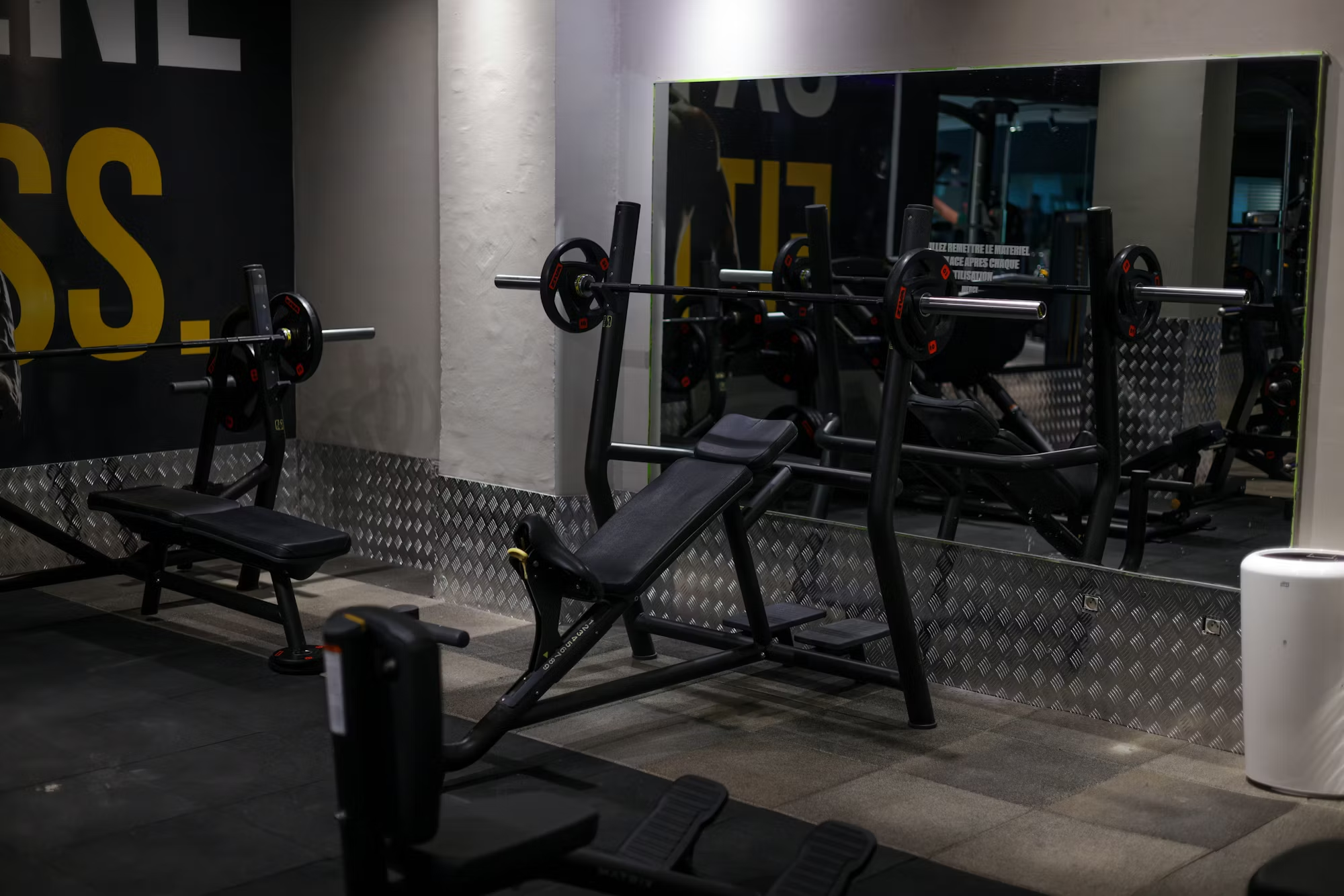
Weightlifting is a popular form of strength training, allowing individuals to target specific muscle groups using free weights or machines. Fundamental exercises such as squats, deadlifts, and bench presses engage multiple muscles, promoting balanced strength throughout the body. Many people enjoy setting personal goals in weightlifting, whether it’s lifting heavier weights or achieving a certain number of repetitions.
Bodyweight exercises, including push-ups, lunges, and planks, offer an effective way to build strength without needing any equipment. These exercises can be performed anywhere, making them highly convenient for those who prefer to work out at home or while traveling. Resistance bands are another excellent tool for strength training, providing adjustable resistance to enhance workouts and add variety.
Incorporating strength training into your fitness routine not only helps improve muscle tone but also supports overall health and functional fitness. Strong muscles contribute to better posture and can help prevent injuries, making everyday activities easier and more enjoyable.
Flexibility is another key component of fitness that often gets overlooked. Activities that promote flexibility, such as yoga and Pilates, enhance joint mobility and help reduce the risk of injuries. Stretching exercises are vital for maintaining flexibility and can significantly improve overall physical performance.
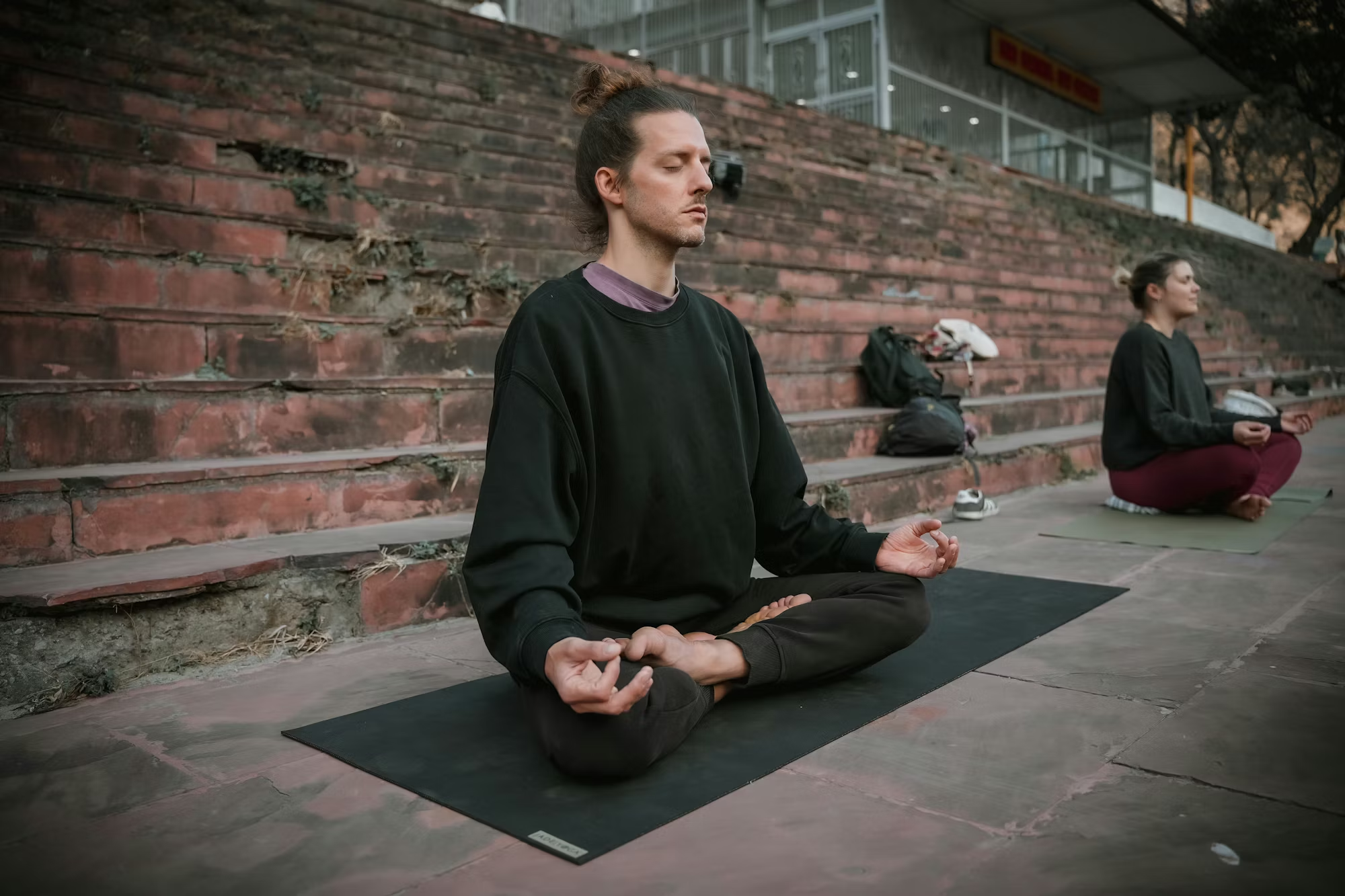
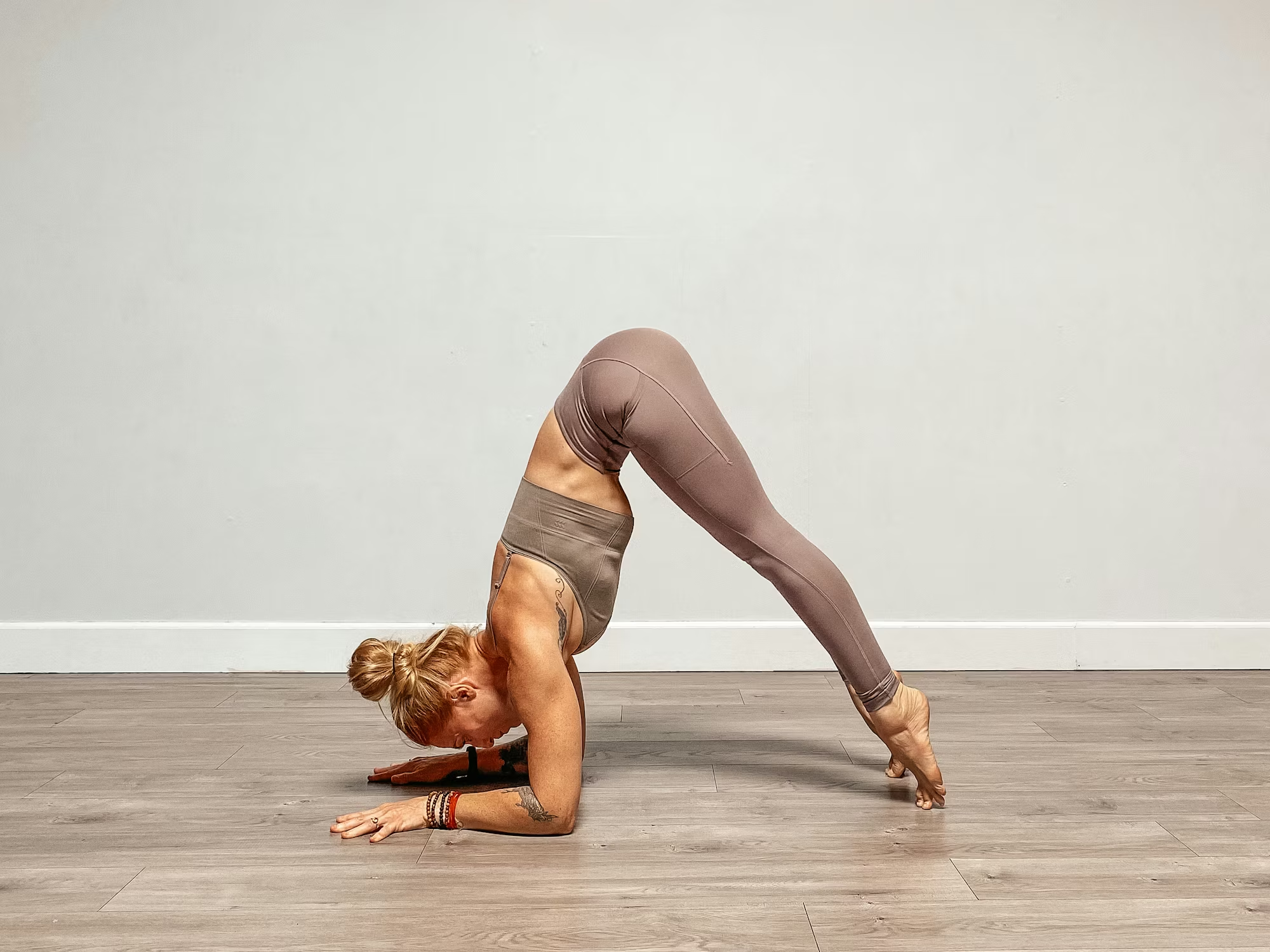
Yoga, in particular, offers a multifaceted approach to fitness. With various styles available—from the more vigorous Ashtanga to the restorative Yin—yoga can cater to a wide range of preferences and goals. It not only enhances flexibility but also promotes relaxation and mindfulness, making it a wonderful addition to any fitness routine.
Pilates focuses on core strength and stability, emphasizing controlled movements that promote overall body awareness. This practice can improve posture and alignment, which are crucial for both athletic performance and everyday activities. Incorporating Pilates into your routine can lead to a more balanced body, helping to support other forms of exercise.
High-Intensity Interval Training (HIIT) has gained significant popularity for its ability to provide efficient and effective workouts. HIIT involves alternating between short bursts of intense activity and brief recovery periods. This training style can improve cardiovascular fitness and build muscle strength in a shorter timeframe compared to traditional workouts.
The beauty of HIIT lies in its versatility; participants can choose various exercises, from sprinting to bodyweight movements, making it accessible for all fitness levels. Many find that the challenge of HIIT workouts not only improves physical fitness but also boosts mental resilience, as pushing through intense intervals fosters a sense of accomplishment.
Functional training is another vital aspect of a well-rounded fitness program. This training focuses on exercises that mimic real-life movements, enhancing strength, balance, and coordination. By incorporating functional exercises into your routine—such as kettlebell swings, medicine ball throws, and step-ups—you can improve your overall physical capabilities, making daily tasks easier and more efficient.
Engaging in functional training not only promotes physical fitness but also enhances body awareness and stability. This type of training can be particularly beneficial as it prepares the body for the physical demands of everyday life, reducing the risk of injuries during routine activities.
CrossFit is a high-intensity fitness program that combines various functional movements performed at high intensity. This dynamic approach to fitness incorporates weightlifting, cardiovascular training, and bodyweight exercises, providing a comprehensive workout that keeps participants engaged and motivated. The community aspect of CrossFit is a significant draw, as participants often support and challenge one another, fostering a strong sense of camaraderie.
Endurance training is vital for those looking to enhance their stamina and overall fitness. This type of training often involves long-distance running, cycling, swimming, or rowing, focusing on increasing the body’s ability to sustain prolonged physical activity. Participating in endurance events, such as marathons or triathlons, can provide a rewarding challenge and foster commitment to training.
Consistent endurance training leads to improved cardiovascular health and mental resilience. As individuals build their endurance, they often discover a greater sense of accomplishment, pushing through physical and mental barriers along the way. This journey can be incredibly fulfilling, fostering a deep connection to physical activity.
Group fitness classes create structured environments where individuals can engage in various activities led by an instructor. These classes range from high-energy Zumba to kickboxing and dance workouts, providing a motivating atmosphere that encourages participation. The group dynamic enhances the workout experience, making it more enjoyable and fostering a sense of accountability.
The sense of community found in group fitness classes can boost motivation and make workouts feel less isolating. Classes tailored to different fitness levels ensure that everyone can find a suitable option that challenges them while promoting a sense of belonging.
Mind-body exercises, such as Tai Chi and Qigong, blend physical movement with mental focus and relaxation techniques. These practices promote mindfulness and stress reduction, enhancing overall well-being. Engaging in mind-body exercises encourages individuals to connect with their bodies and fosters a deeper understanding of their physical and emotional states.
Outdoor activities offer an excellent opportunity to engage in fitness while enjoying the beauty of nature. Hiking, trail running, rock climbing, and outdoor sports combine physical exercise with the mental rejuvenation that comes from spending time outdoors. The fresh air, sunlight, and stunning surroundings can elevate mood and motivate individuals to stay active.
Nature serves as a natural gym, offering diverse terrains and challenges that keep workouts interesting and engaging. Engaging in outdoor fitness activities allows individuals to break free from traditional gym settings, fostering a sense of adventure and exploration in their fitness journeys.
Specialized fitness programs cater to specific needs and goals, such as sports-specific training, rehabilitation exercises, prenatal/postnatal fitness, or senior fitness programs. These tailored approaches ensure individuals receive the support and guidance necessary to meet their unique fitness requirements. Whether recovering from an injury, preparing for a specific sport, or looking for safe exercises during pregnancy, specialized programs provide valuable resources for success.
Focusing on individual goals and challenges, specialized fitness programs foster a sense of accomplishment and well-being. Participants often find that personalized attention helps them stay motivated and committed to their fitness journeys.
In conclusion, discovering the joy of movement involves exploring the diverse types of fitness activities available today. By incorporating a variety of exercises—ranging from cardiovascular workouts and strength training to flexibility exercises and outdoor adventures—individuals can create a balanced and enjoyable fitness regimen. Embrace the myriad of options, and find the activities that inspire you to stay active and lead a fulfilling, healthy lifestyle.