
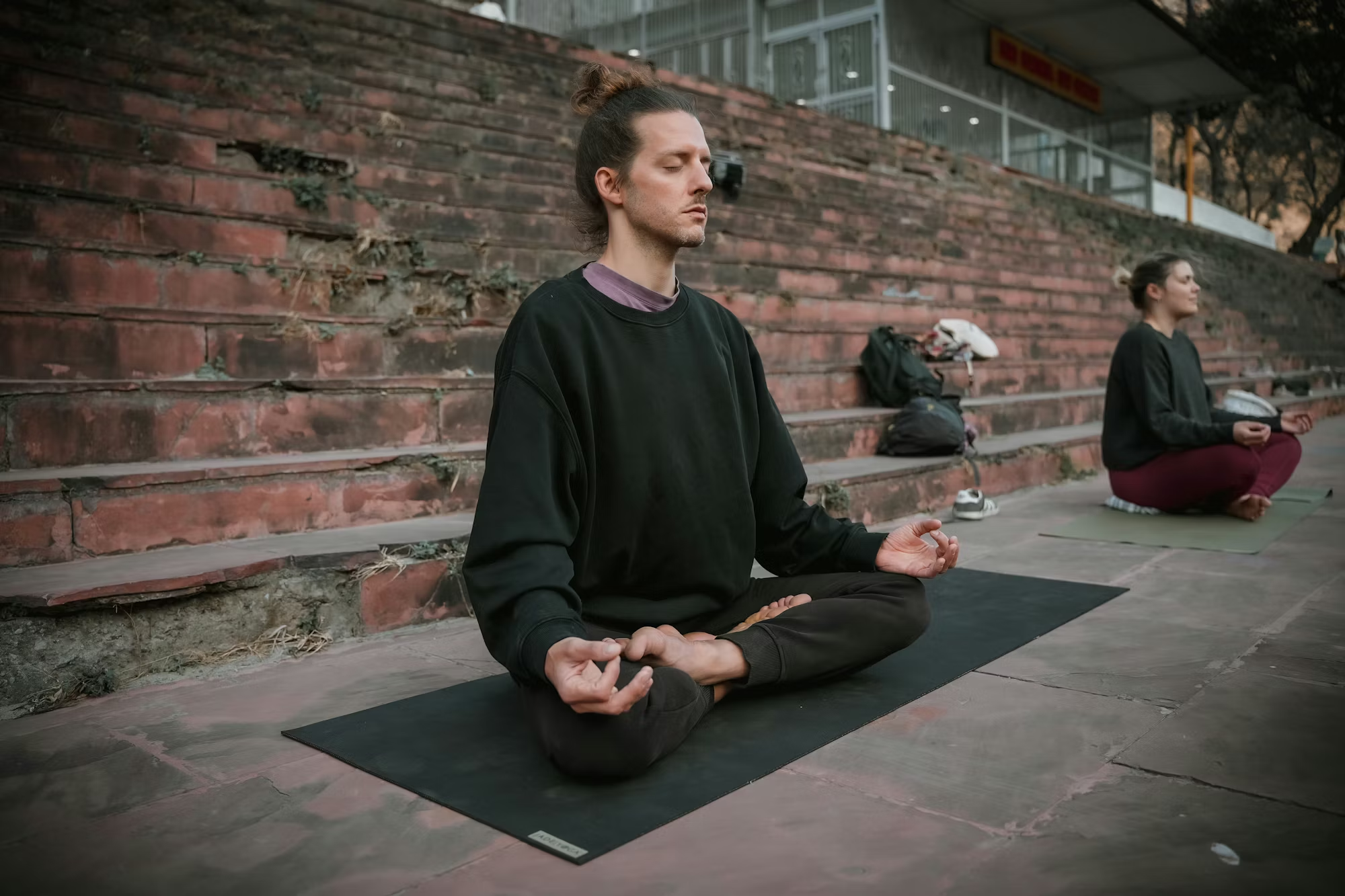



In today’s fast-paced world, the concept of mindfulness has gained significant traction, especially in the realm of fitness. Combining physical activity with mindfulness practices offers a holistic approach that not only enhances physical performance but also nurtures mental clarity and emotional resilience. This article delves into how mindfulness can be effectively integrated into various workout routines, providing insights and practical tips for individuals seeking to elevate their fitness journey.
Understanding Mindfulness in Fitness
Mindfulness is the practice of being fully present in the moment, acknowledging one’s thoughts and feelings without judgment. When applied to fitness, mindfulness transforms exercise from a mere physical activity into a more enriching experience. By cultivating awareness of the body’s movements, breath, and sensations, individuals can deepen their connection to their workouts, enhancing both enjoyment and effectiveness.
The benefits of incorporating mindfulness into fitness routines are manifold. Research suggests that mindful exercise can reduce stress, improve focus, and boost motivation. Furthermore, it encourages individuals to listen to their bodies, which can lead to improved performance and reduced risk of injury. As such, integrating mindfulness into workouts can be a game changer for anyone, from fitness enthusiasts to those just starting their journey.
Mindfulness Techniques for Different Workout Styles
1. Mindful Strength Training
Strength training often focuses on physical power, but incorporating mindfulness can enhance its effectiveness. Practicing mindful strength training involves paying close attention to your form, breath, and muscle engagement. For instance, during a squat, visualize the movement: feel your muscles working, focus on your balance, and synchronize your breath with each repetition. This awareness not only maximizes the benefits of the exercise but also creates a deeper connection with your body.
2. Yoga and Mindfulness
Yoga is inherently tied to mindfulness, as it emphasizes the union of body and mind through breath and movement. Practicing mindfulness in yoga involves being fully present during each pose, tuning into your breath, and acknowledging any sensations or emotions that arise. This practice enhances relaxation and encourages a deeper understanding of your body’s capabilities. As you progress through your yoga practice, try to let go of any distractions and immerse yourself fully in the experience, allowing it to foster both physical and mental well-being.
3. Cardiovascular Workouts with Awareness
Whether running, cycling, or dancing, cardiovascular workouts can be significantly enriched through mindfulness. When engaging in these activities, focus on your breathing patterns, the rhythm of your movements, and the sensations in your body. For example, during a run, pay attention to how your feet strike the ground and how your heart rate changes. This heightened awareness can transform your workout into a meditative experience, helping to clear your mind and reduce stress.
4. Mindful High-Intensity Interval Training (HIIT)
HIIT workouts can be intense and fast-paced, making it easy to lose focus. However, integrating mindfulness can enhance both performance and enjoyment. During each interval, concentrate on your movements and how your body feels during exertion. This focus can help you push through challenges and maintain proper form, ultimately leading to better results. Practicing mindfulness in HIIT also allows for a moment of reflection during rest periods, helping to reset your mental state before the next round.
The Role of Breath in Mindful Fitness
Breath is a fundamental aspect of mindfulness and plays a crucial role in fitness. Conscious breathing can enhance performance and promote relaxation during workouts. Practicing deep, rhythmic breathing helps to center the mind and body, reducing feelings of anxiety and enhancing focus.
To incorporate breath awareness into your fitness routine, try the following techniques:
– Diaphragmatic Breathing: Focus on deep breathing, allowing your diaphragm to expand fully. This technique can improve oxygen intake and promote relaxation.
– Synchronize Breath with Movement: During strength training or yoga, coordinate your breath with each movement. Inhale during preparation and exhale during exertion.
– Breath Awareness During Cardio: While engaging in cardiovascular exercises, notice your breath patterns. Adjusting your breathing can help maintain endurance and energy levels.
Creating a Mindful Fitness Routine
To effectively integrate mindfulness into your fitness regimen, consider the following tips:
– Set Intentions: Before each workout, take a moment to set a clear intention. This could be to focus on your form, enjoy the process, or simply be present. Setting intentions helps ground your practice and keeps your mind focused.
– Limit Distractions: Create a workout environment that minimizes distractions. Consider leaving your phone aside or opting for music that promotes relaxation rather than high energy.
– Practice Gratitude: After your workout, take a moment to express gratitude for your body’s abilities. Acknowledging your strengths fosters a positive mindset and encourages continued engagement with fitness.
– Reflect on Your Experience: After each session, take a few minutes to reflect on your workout. Consider how you felt physically and mentally, what you enjoyed, and areas where you can improve. This reflection enhances self-awareness and encourages growth.
The Long-Term Benefits of Mindful Fitness
Integrating mindfulness into fitness routines can lead to significant long-term benefits. As you cultivate a deeper connection with your body and mind, you may notice improved performance, enhanced emotional well-being, and increased motivation to maintain a healthy lifestyle. Moreover, this approach fosters a more positive relationship with exercise, transforming it from a chore into an enjoyable practice.
Additionally, practicing mindfulness can spill over into other aspects of life. Individuals often report increased focus, better stress management, and a greater sense of balance in daily activities. By fostering mindfulness in fitness, you not only enhance your workouts but also enrich your overall quality of life.
Conclusion
Incorporating mindfulness into fitness routines is a powerful way to enhance both physical and mental well-being. By being present during workouts, focusing on breath, and setting clear intentions, individuals can experience a deeper connection to their bodies and a more enriching exercise experience. As you explore various workout styles, remember that mindfulness is a skill that can be developed over time. Embrace the journey, and allow mindfulness to transform your fitness routine into a holistic practice that nourishes both body and mind.
Ultimately, the goal of mindful fitness is not just to achieve physical results, but to cultivate a deeper understanding of yourself, enhance your overall well-being, and foster a lasting love for movement.