
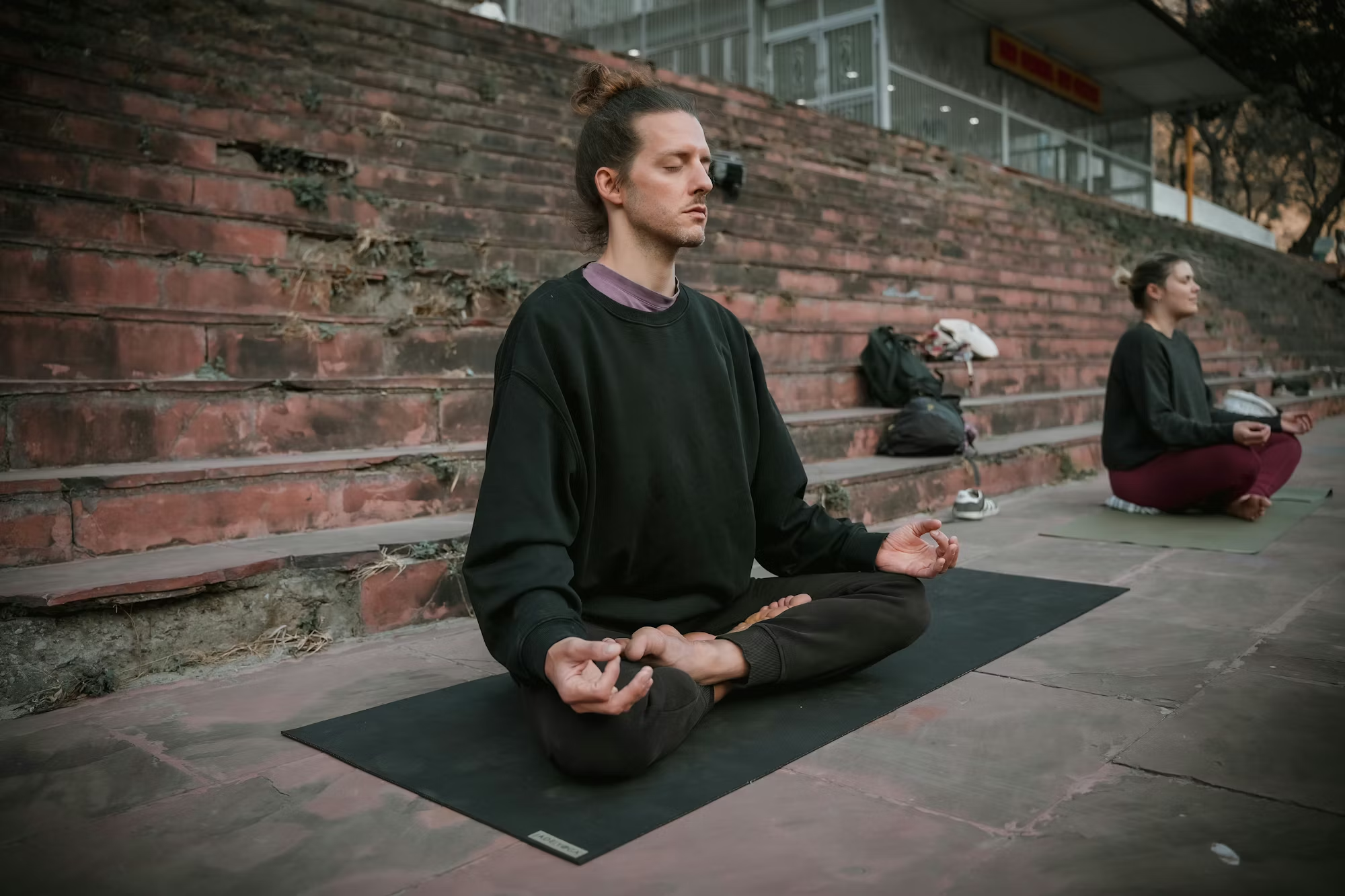


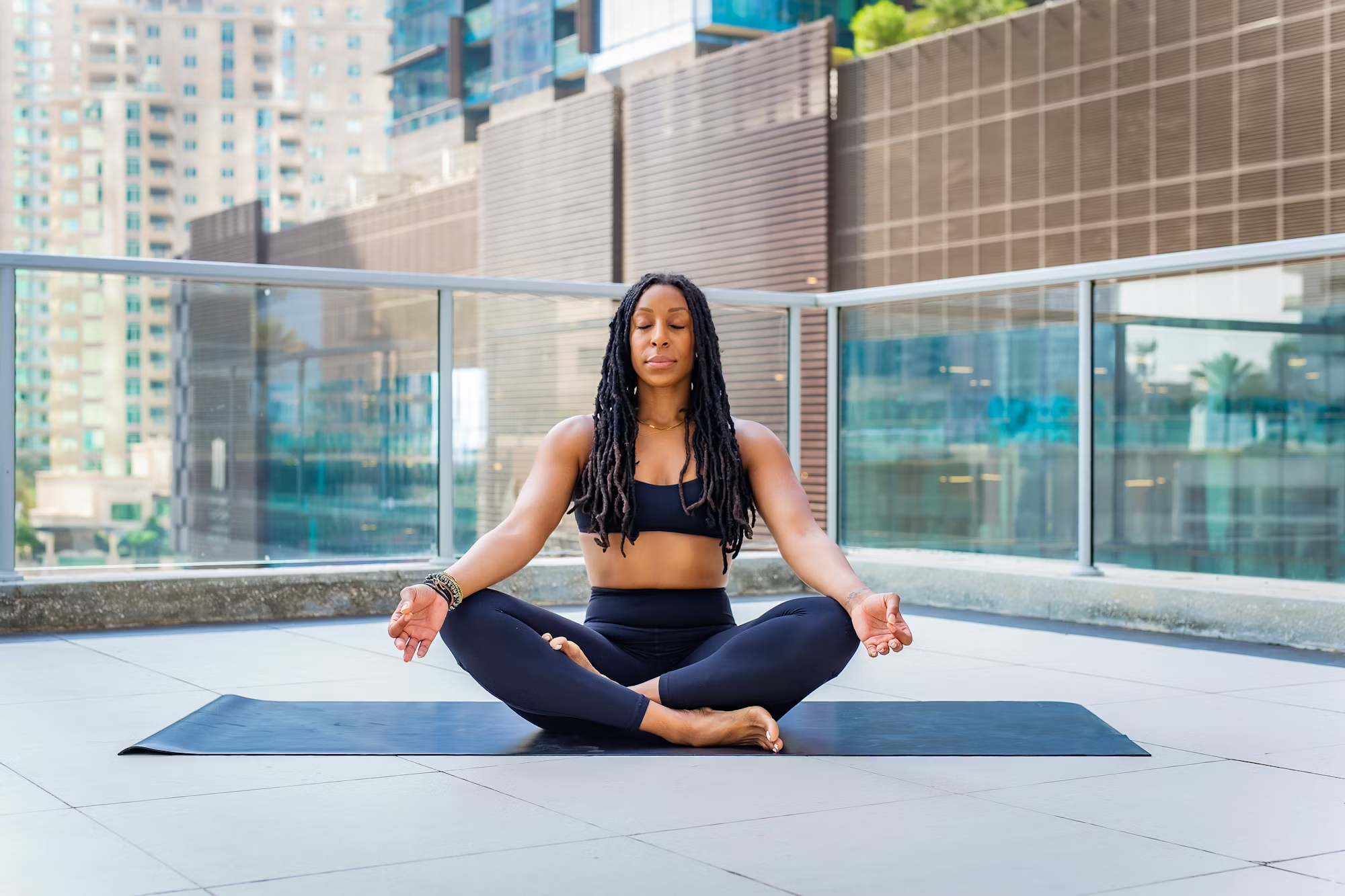
In an era characterized by constant distractions and a fast-paced lifestyle, the practice of mindfulness through meditation has gained significant attention. Meditation offers individuals the opportunity to cultivate inner peace, enhance emotional resilience, and promote overall well-being. This article delves into different meditation techniques, their benefits, and how they can be integrated into daily life for a more mindful existence.
Mindfulness, the practice of being fully present and aware of the moment, is at the heart of many meditation techniques. It encourages individuals to observe their thoughts, feelings, and sensations without judgment, fostering a deeper connection to their inner selves. By dedicating time to meditation, practitioners can learn to navigate the complexities of life with greater ease and clarity.
One of the most accessible forms of meditation is focused attention meditation. This technique involves concentrating on a single point of focus, such as the breath, a mantra, or a specific object. As thoughts arise, practitioners gently redirect their attention back to their chosen focal point. This practice not only helps to quiet the mind but also enhances concentration and mental clarity.
Another popular method is body scan meditation, which promotes awareness of physical sensations throughout the body. In this technique, individuals mentally scan their bodies from head to toe, observing any areas of tension or discomfort. This practice encourages relaxation and fosters a greater understanding of the mind-body connection. By cultivating awareness of bodily sensations, practitioners can learn to release tension and foster a sense of calm.
Loving-kindness meditation, or Metta, is a technique that focuses on cultivating feelings of compassion and goodwill towards oneself and others. Practitioners silently repeat phrases wishing happiness, health, and well-being for themselves and for loved ones. This practice not only enhances emotional resilience but also promotes empathy and connection with others. By fostering a sense of compassion, individuals can transform their relationships and approach life with greater positivity.
Mindful walking is another effective way to integrate meditation into daily life. This practice involves walking slowly and deliberately, paying close attention to the sensations of each step. By focusing on the experience of walking, practitioners can cultivate mindfulness in motion, grounding themselves in the present moment. This technique is particularly beneficial for those who find it challenging to sit still during traditional meditation.
Guided meditation is also a popular approach, often led by an instructor or through recorded sessions. These meditations can vary widely in theme, from relaxation and stress relief to self-discovery and visualization. Guided meditations provide structure and support for those new to the practice, making it easier to develop a consistent meditation routine. The soothing voice of a guide can create a comforting atmosphere, enhancing the overall experience.
Integrating meditation into daily life requires intention and commitment. Setting aside a few minutes each day to practice can lead to profound benefits over time. Whether it’s starting the morning with a few minutes of focused breathing or unwinding in the evening with a body scan, consistency is key. Creating a designated meditation space can also enhance the practice, providing a calming environment free from distractions.
The benefits of meditation extend beyond the individual. Research has shown that regular practice can improve emotional well-being, reduce stress, and enhance cognitive functioning. By cultivating mindfulness, practitioners can develop a greater sense of self-awareness, which can lead to healthier responses to challenges and conflicts.
As individuals become more attuned to their thoughts and feelings through meditation, they often find that their relationships with others improve as well. The practice of loving-kindness meditation fosters compassion and empathy, allowing individuals to approach interactions with an open heart. This shift in perspective can transform personal and professional relationships, creating a more harmonious and supportive environment.
Moreover, the skills developed through meditation can enhance creativity and problem-solving abilities. By cultivating a calm and focused mind, individuals can tap into their creative potential and approach challenges with renewed clarity. This can be especially beneficial in high-pressure environments, where innovative thinking and adaptability are essential.
Incorporating mindfulness practices into everyday activities can further enhance the benefits of meditation. Simple actions such as mindful eating, where individuals focus on the taste, texture, and aroma of their food, can promote a deeper connection to the present moment. By fully engaging with each experience, practitioners can foster a sense of gratitude and appreciation for the simple joys of life.
As technology continues to shape our lives, digital tools can also support meditation practice. Numerous apps and online resources offer guided meditations, reminders, and tracking features to help individuals stay committed to their practice. These tools make meditation more accessible and can inspire individuals to explore new techniques and styles.
In conclusion, meditation serves as a powerful tool for cultivating mindfulness, emotional well-being, and personal growth. By exploring various techniques such as focused attention, body scans, and loving-kindness meditation, individuals can find practices that resonate with them. Integrating meditation into daily life not only enhances personal well-being but also fosters positive relationships and a greater sense of connection with others. As practitioners dedicate time to their meditation journey, they unlock the potential for deeper self-awareness, creativity, and a more fulfilling existence. Embracing mindfulness through meditation is a transformative path that encourages individuals to live with intention and presence, ultimately leading to a more harmonious life.